Move Better
PT can help improve movement, strength, flexibility, mobility, balance, and physical function.
 MASSIMOBILITYMovement • Education • Performance
Start Exploring
MASSIMOBILITYMovement • Education • Performance
Start Exploring
Massimobility makes physical therapy and movement science easier to understand through real-life scenarios, evidence-informed injury education, and practical movement strategies.

This site explains general concepts supported by the sources listed below. Exercises are examples, not individualized prescriptions. New, severe, worsening, traumatic, or unexplained symptoms should be assessed by an appropriate clinician.
Physical therapists look at symptoms, movement, function, activity demands, and the person's goals. A useful starting idea is that tissues adapt to loading—but problems can occur when demand, recovery, or capacity don't match.
How much, how often, how fast, and how intensely you load a tissue.
The current strength, mobility, coordination, fitness, and tissue tolerance you have.
Sleep, rest, gradual progression, and time for adaptation can affect how you tolerate activity.
Evidence anchor: ACSM notes exercise-related musculoskeletal injury risk is associated with factors including exercise intensity, activity type, preexisting conditions, and musculoskeletal factors. ACSM guideline
Physical therapy is healthcare focused on movement and function. Physical therapists evaluate movement-related problems, develop individualized plans, help manage pain and restore function, and can also play a role in prevention, wellness, and maintaining an active lifestyle.
Movement affects independence, daily activities, work, recreation, and quality of life. PT helps people build or rebuild the physical abilities they need to participate in life.
PT can help improve movement, strength, flexibility, mobility, balance, and physical function.
PT is commonly used after injuries and surgery and for conditions that affect how you move.
Education helps you understand your condition, your plan of care, and how to participate safely in your recovery.
PTs can contribute to injury prevention, wellness, fitness, and reducing the risk of preventable movement-related problems.
Progressive movement and exercise can help improve the physical capacity needed for everyday activities and performance.
Improving function can help people maintain independence and continue doing the activities that matter to them.
Not every ache needs a PT visit, and some symptoms need a different medical evaluation. But persistent, worsening, or movement-limiting symptoms deserve attention. Earlier evaluation can help clarify what is going on, identify functional limitations, start an appropriate plan, and determine whether another healthcare professional is needed.
“Sooner” does not mean every new pain requires physical therapy. Severe, rapidly worsening, traumatic, unexplained, or concerning symptoms should be assessed by an appropriate healthcare professional.
Not true. PT serves people of all ages and abilities and can address musculoskeletal, neurological, cardiopulmonary, and other conditions that affect movement and function.
Not true. PT may include exercise, strengthening, mobility work, functional activities, education, manual techniques, and other interventions depending on the person's needs.
Not true. Hands-on treatment can be one tool, but physical therapy is much broader and often includes active rehabilitation and movement-based care.
Not true. PT is used for many injuries, chronic conditions, movement problems, prevention, wellness, and recovery that does not involve surgery.
Not quite. Pain management can be important, but PT also focuses on movement, function, independence, physical capacity, and participation in life.
It depends on where you live and your situation. APTA notes that direct access allows people to see a physical therapist without a referral in many circumstances. Insurance and state-specific rules can still affect access.
Your PT learns about your symptoms, history, goals, movement, and function.
A plan is developed around your condition, needs, goals, and current abilities.
Treatment may include exercise, functional activities, education, and other appropriate interventions.
Your response is monitored and the plan can be adjusted as your abilities change.
Evidence anchors: American Physical Therapy Association (APTA), Cleveland Clinic, and NHS clinical/health-system resources. APTA ↗ Cleveland Clinic ↗ NHS ↗
Select a body region to explore a common problem, think through a realistic situation, and learn the movement concepts that may help.
 SHOULDER
The rotator cuff is a group of muscles and tendons that help lift and rotate the arm and stabilize the shoulder.
You start serving more often in tennis and notice shoulder pain when reaching overhead. What changed: the movement, the amount of it, or your current capacity?
BACK
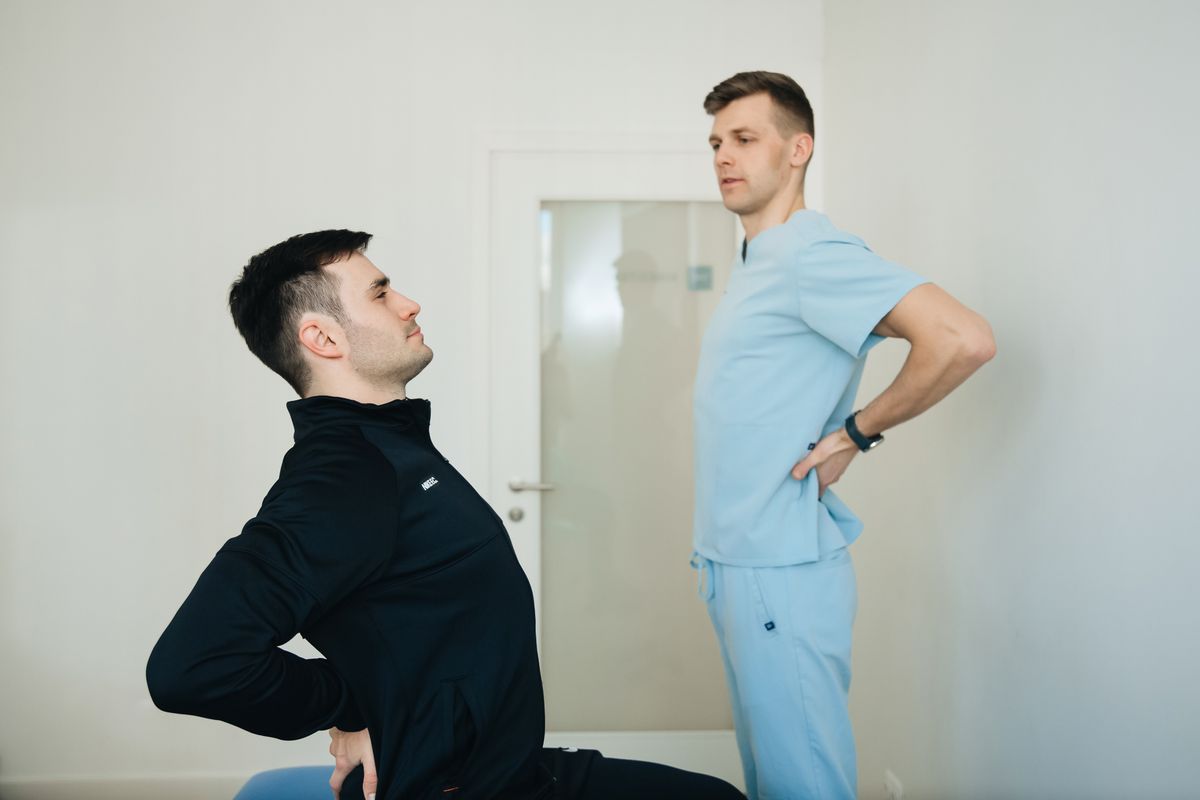
Low back pain has many possible causes, including muscle/ligament strain, disc problems, and age-related changes.
You spend a long weekend moving furniture and your back feels sore afterward. The goal isn't to guess one cause — it's to think about the sudden change in load and what your body was prepared to handle.
 KNEE
KNEE
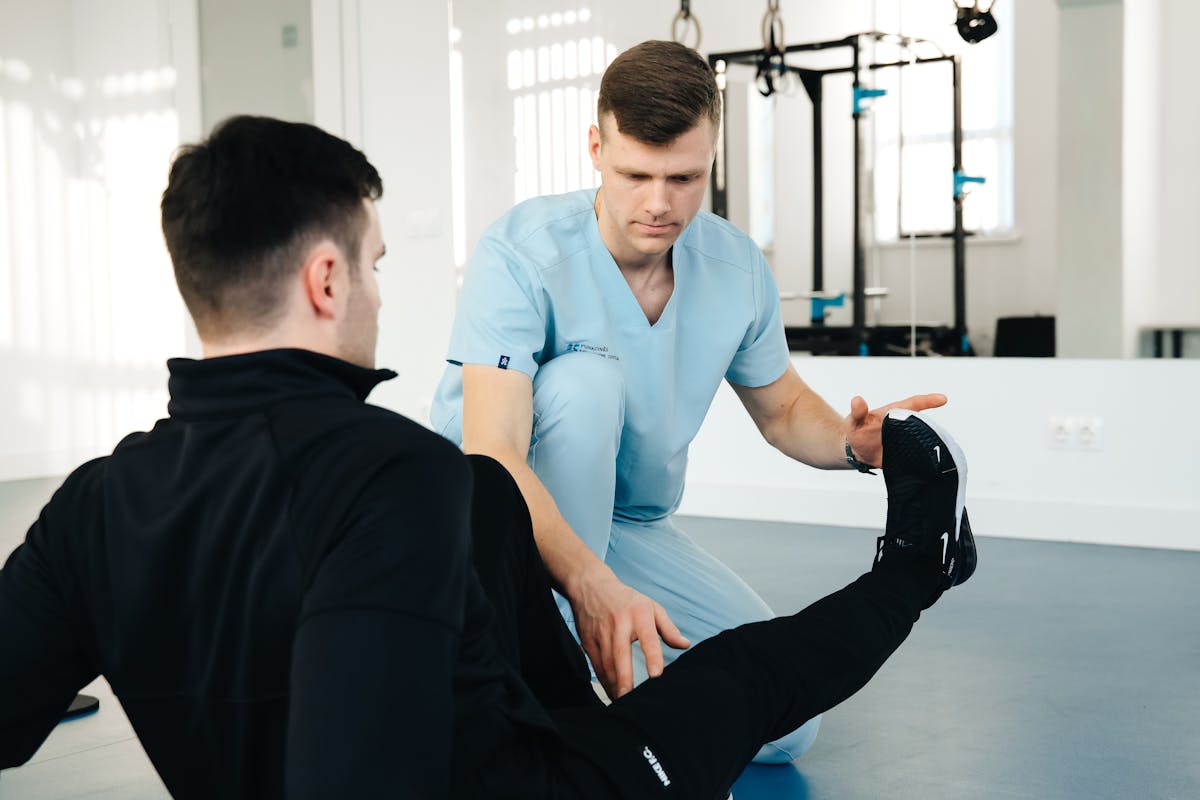
Often called “runner's knee,” this refers to pain around or behind the kneecap, commonly provoked by loaded knee-bending activities.
You suddenly double your running mileage and your knee starts hurting on stairs and during squats. Before blaming one movement, think about the jump in training load.
 ELBOW
ELBOW
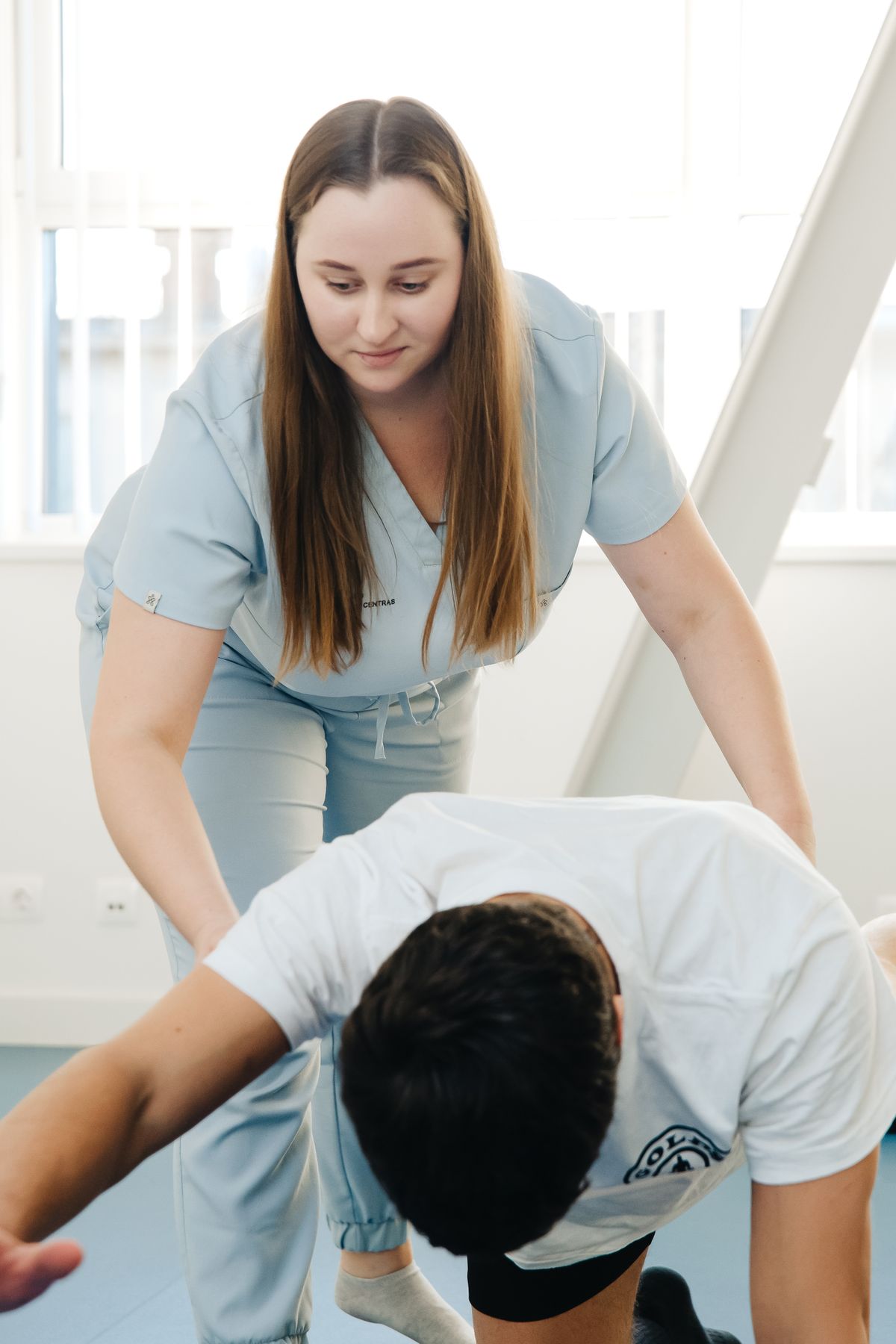
Tennis elbow (often called lateral elbow tendinopathy) involves the tendons used to extend the wrist and can cause pain and tenderness around the outer elbow, especially with gripping or lifting.
You pick up a new hobby that involves gripping and lifting for an hour every night. A few weeks later, the outside of your elbow hurts when you grip. What changed in your weekly workload?
 FOOT & ANKLE
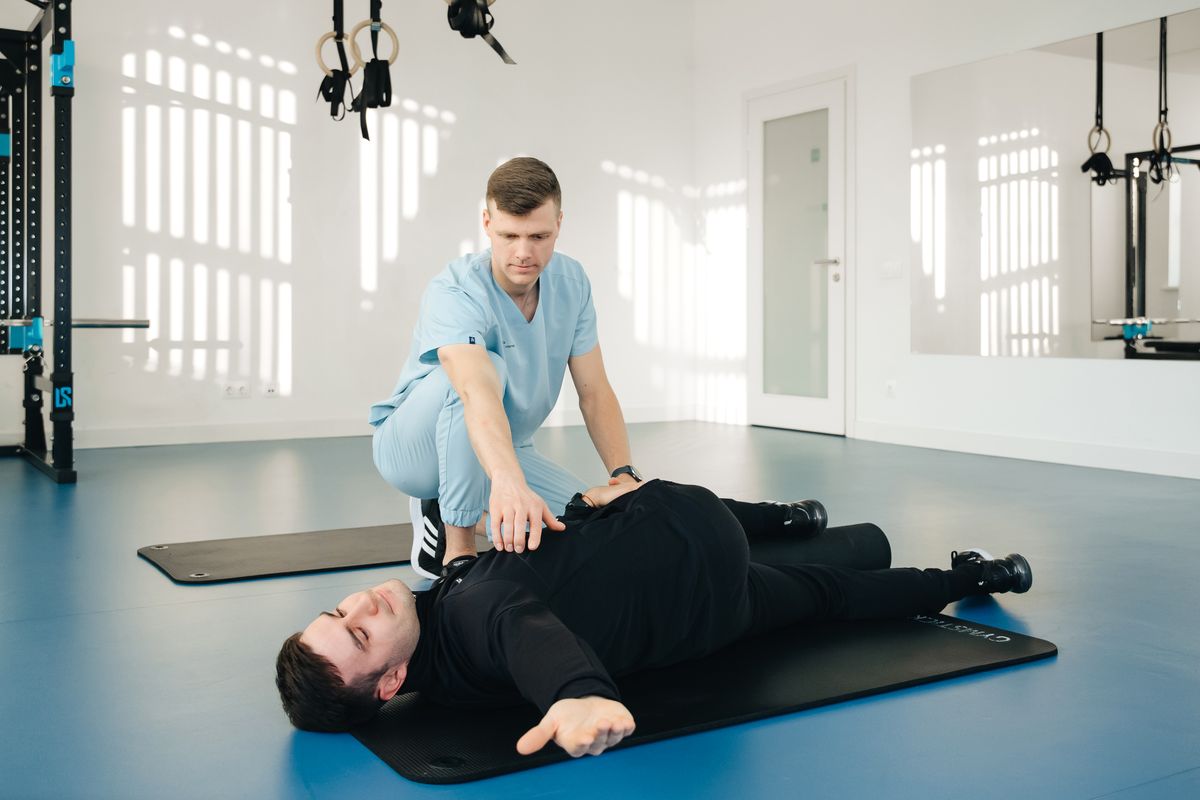
A sprain is an overstretch or tear of a ligament. Ankle sprains commonly cause pain, swelling, bruising, and difficulty bearing weight.
You land on another player's foot during basketball and your foot turns inward under you (a common mechanism for a lateral ankle sprain). It swells quickly and walking hurts. What matters now: recognizing the injury, protecting it, and knowing when it needs evaluation.
 LOWER LEG
Bone stress injuries can develop when repetitive loading outpaces the bone's ability to remodel and recover.
You begin training for a race and rapidly increase your running days. A small, pinpoint area of lower-leg pain gets worse with activity. That is a reason to stop guessing and get assessed.
Injury risk isn't explained by one “bad” movement. PT assessment considers the whole picture: what changed, what hurts, what you can tolerate, and what you need to get back to.
A quick jump in activity frequency, duration, or intensity can increase repetitive load. This is especially important for bone stress injuries.
Repeated motions can overload a tendon or muscle when the demand repeatedly exceeds current tolerance.
Strength, mobility, coordination, fitness, and prior injury can influence how an individual responds to a task.
Adaptation requires time. Rest and sleep are part of training—not the opposite of training.
Clinical practice guidelines are designed to support evidence-based decision-making, but they do not replace clinician judgment.
— APTA Clinical Practice Guidelines LibraryThese are movement categories and examples drawn from established clinical resources. A real rehab program should be matched to the diagnosis, irritability, goals, and stage of recovery.
Progressive strengthening can improve muscle function and help build tolerance for activity.
SQUAT • STEP-UP • CALF RAISESingle-leg balance and controlled movement are common tools after lower-limb injury.
BALANCE • CONTROL • COORDINATIONMobility work can help restore available motion when stiffness or restricted movement is relevant.
RANGE • STRETCH • MOBILITYActive physical therapy for low back pain may include aerobic exercise alongside strength and mobility work.
WALK • BIKE • GRADUAL RETURN
Hi, my name is Logan Massimo, and I’m a Kinesiology student at George Mason University with a passion for helping others understand and improve their physical health.
My mission as an aspiring Physical Therapist is to inform, motivate, and inspire people to take control of their physical well-being. I want to provide people with the knowledge, encouragement, and guidance they need to build a stronger, healthier body—while maintaining mobility, independence, and quality of life for years to come.
Through this platform, I hope to make physical therapy and movement science easier to understand and accessible to everyone. Whether you're an athlete, a student, a parent, or simply someone looking to move better, my goal is to help you better understand your body and give you the confidence to take care of it.
Seek emergency care for a major deformity, an open or severe injury, or a hand/foot that becomes cold, blue/pale, or newly numb or weak after injury. Get prompt medical assessment for severe or worsening pain or swelling, inability to bear weight, or concern for a fracture. A cracking sound by itself does not confirm a fracture. Symptoms that persist or are not improving also deserve clinical advice.
NHS injury warning signs ↗This first version intentionally relies on professional organizations and health-system clinical resources rather than influencer content or unsourced summaries.
Evidence standard for this site: content is informed by the linked professional and health-system resources. These organizations have not necessarily reviewed or endorsed this website. The site does not diagnose conditions, and no single exercise is appropriate for every case.