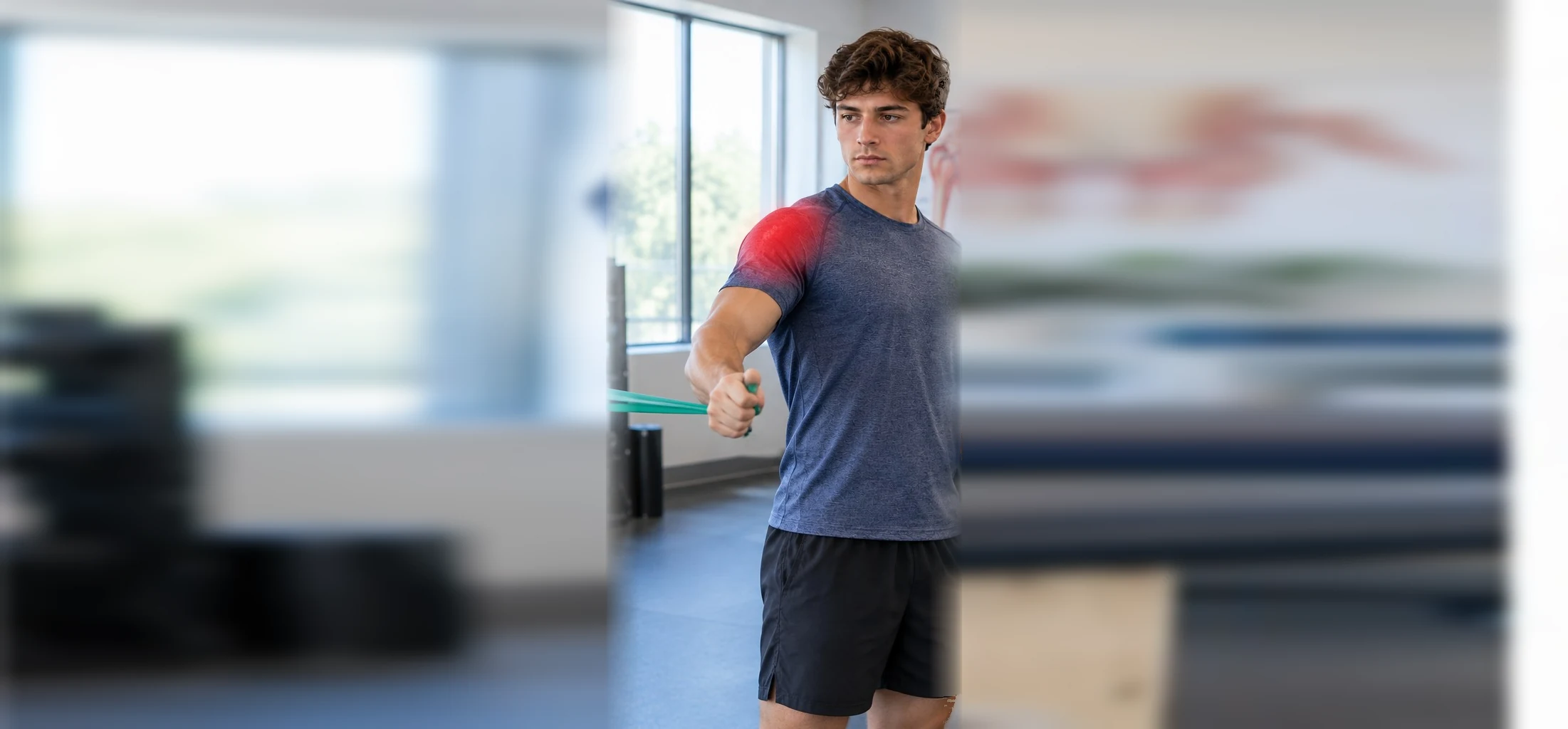
SHOULDER
Shoulder
Rotator cuff problemsExplore common shoulder problems, loading, and rehabilitation concepts.
Explore Shoulder → MASSIMOBILITYMovement • Education • Performance
Select a body region to learn about its anatomy, common conditions discussed in research, and general movement science concepts. This is not a symptom checker.
Explore common shoulder problems, loading, and rehabilitation concepts.
Explore Shoulder →
Learn about common contributors to back pain and active-care principles.
Explore Back →
Explore knee pain, training-load changes, and strengthening concepts.
Explore Knee →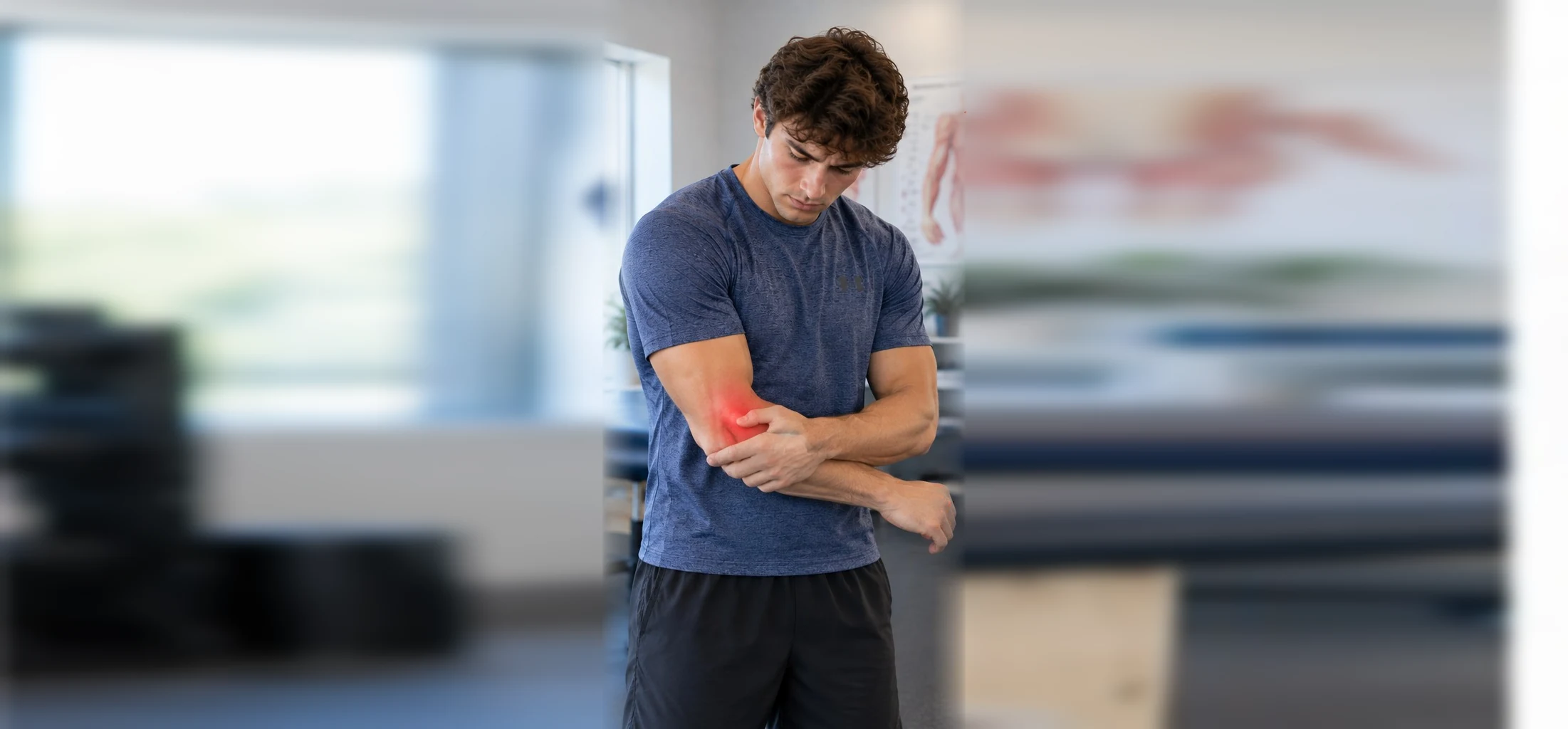
Understand lateral elbow tendinopathy and progressive forearm loading.
Explore Elbow →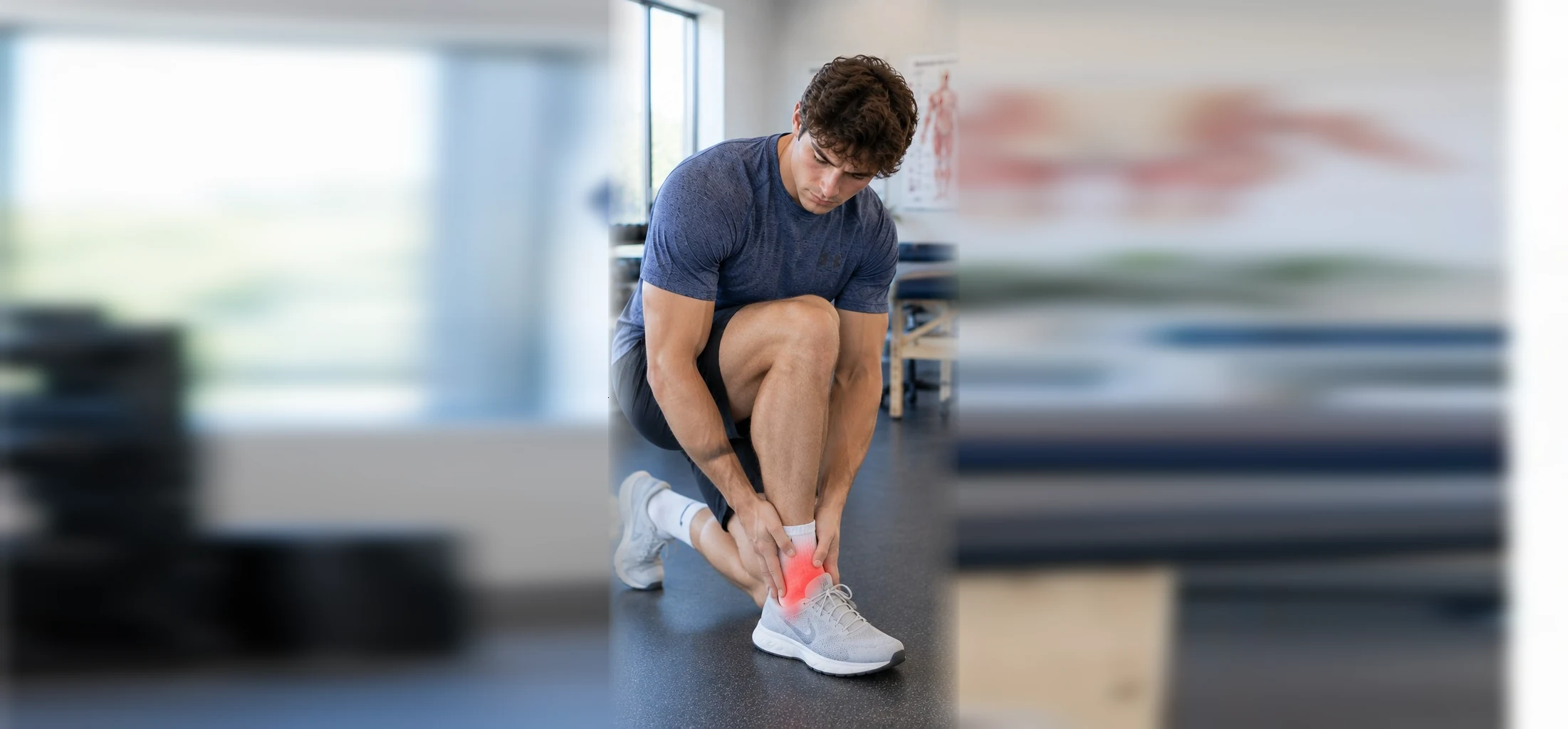
Learn about ankle sprains, balance, and gradual return to activity.
Explore Foot & Ankle →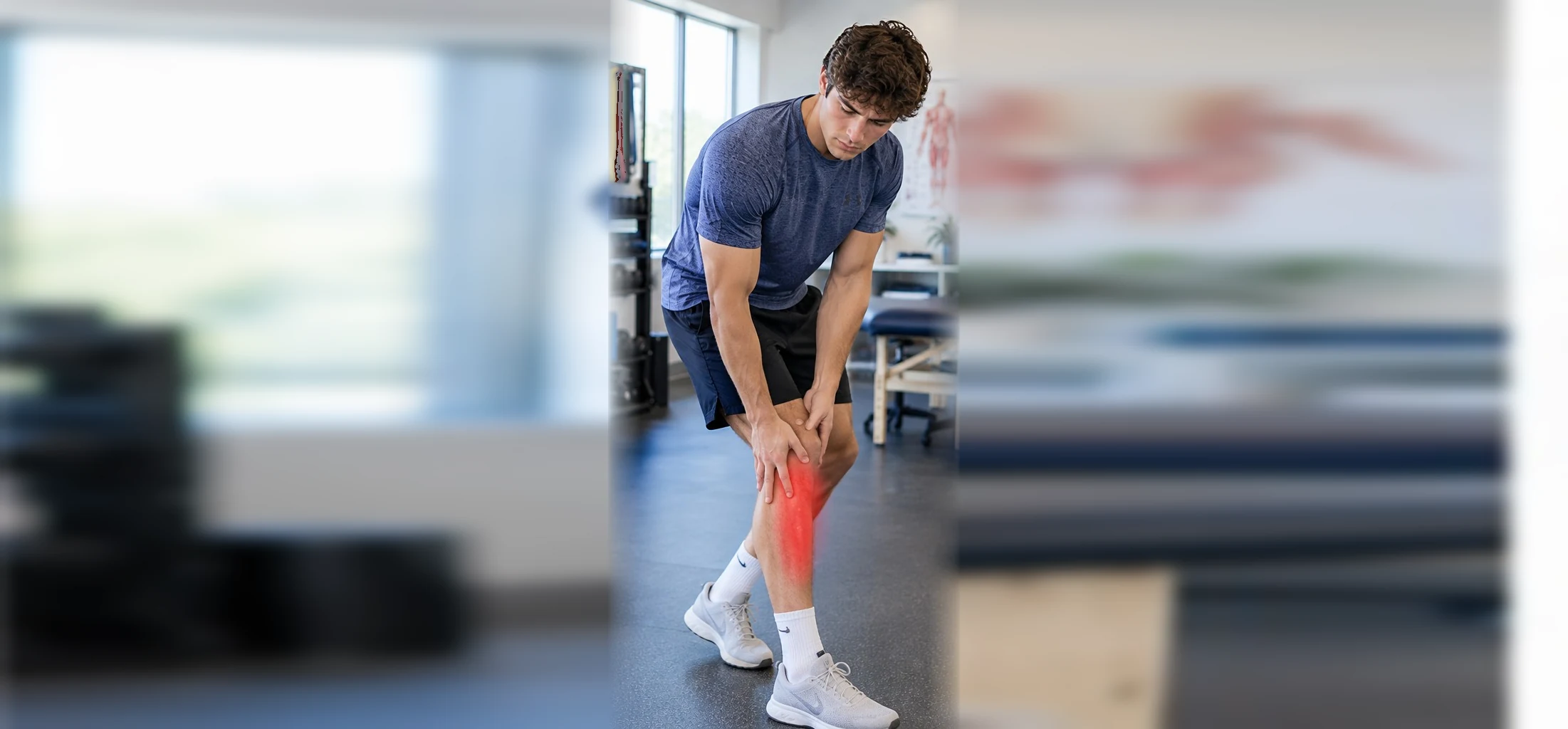
Review lower-leg symptoms and when to stop impact activity and seek assessment.
Explore Lower Leg →
The cranium protects the brain; facial bones, muscles, and cranial nerves support expression, chewing, and sensation.
Explore Cranium / Head →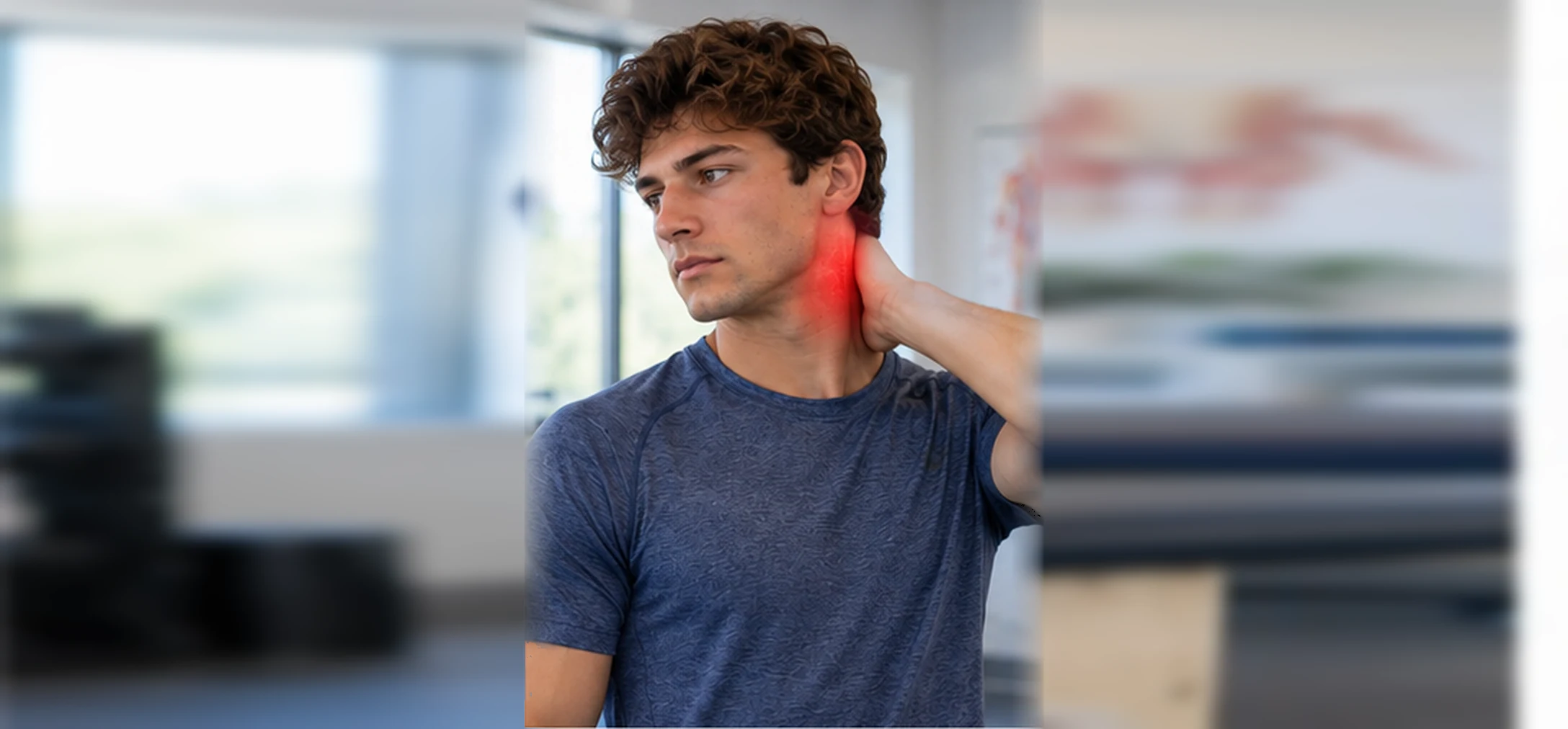
The neck includes the cervical vertebrae, muscles that position the head, and important nerve pathways.
Explore Neck →
The upper arm is the region between the shoulder and elbow, containing the humerus and muscles that move the joints.
Explore Upper Arm →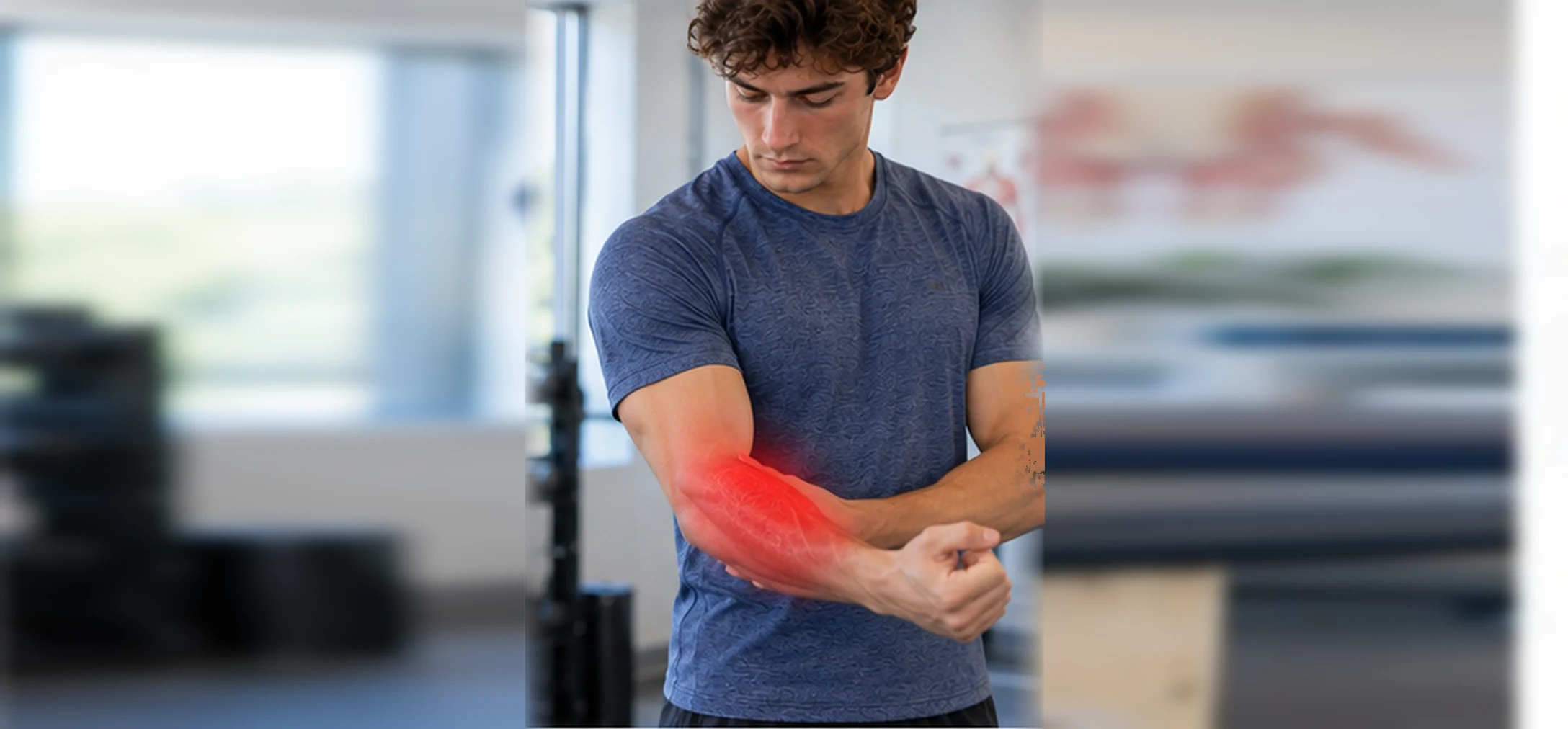
The forearm contains the radius and ulna and muscle groups that rotate the forearm and position the wrist and digits.
Explore Lower Arm / Forearm →
The hand combines wrist bones, metacarpals, phalanges, and intrinsic muscles for grasp and fine movement.
Explore Hand →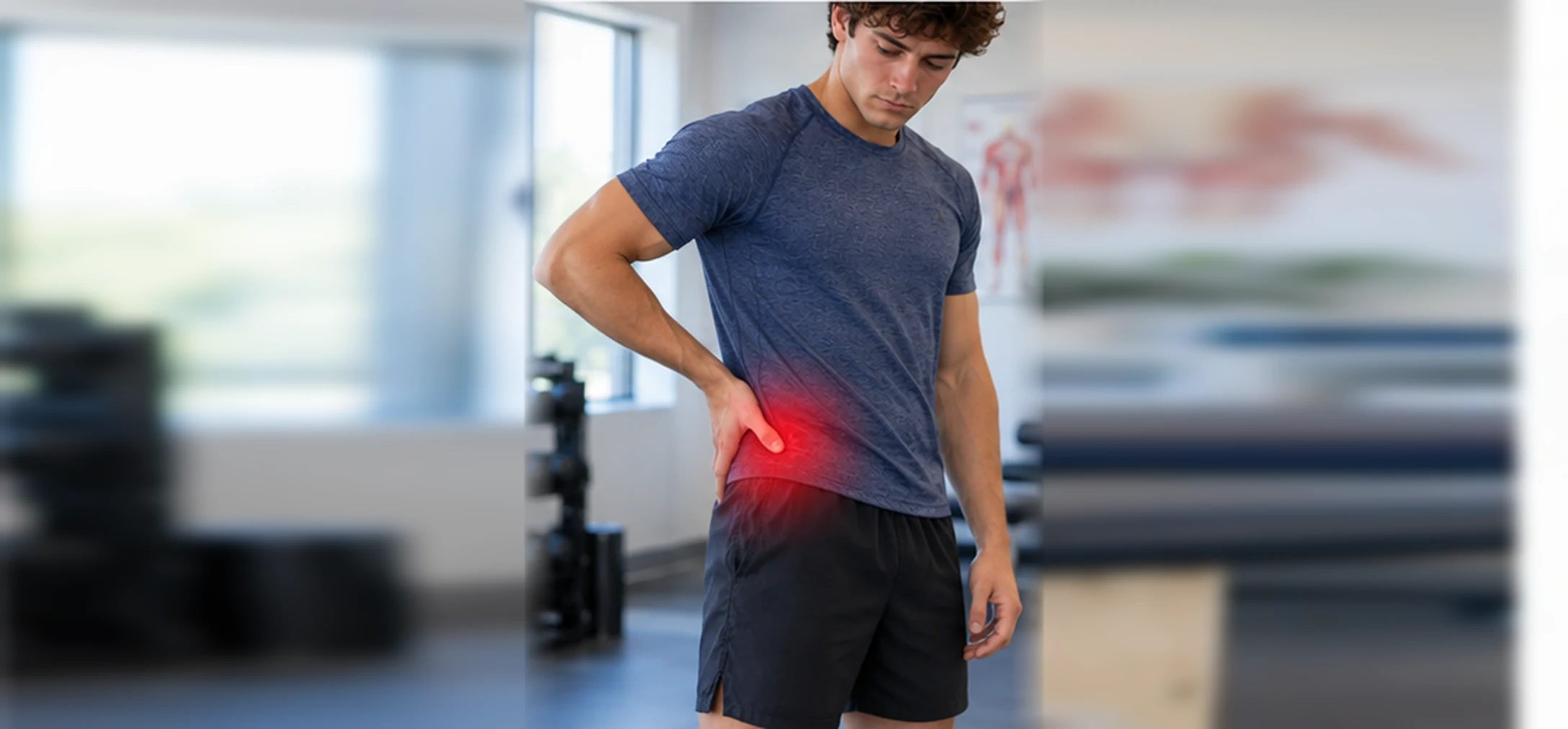
The pelvis transfers load between the spine and lower limbs and the hip joints allow multi-directional thigh movement.
Explore Pelvis / Hips →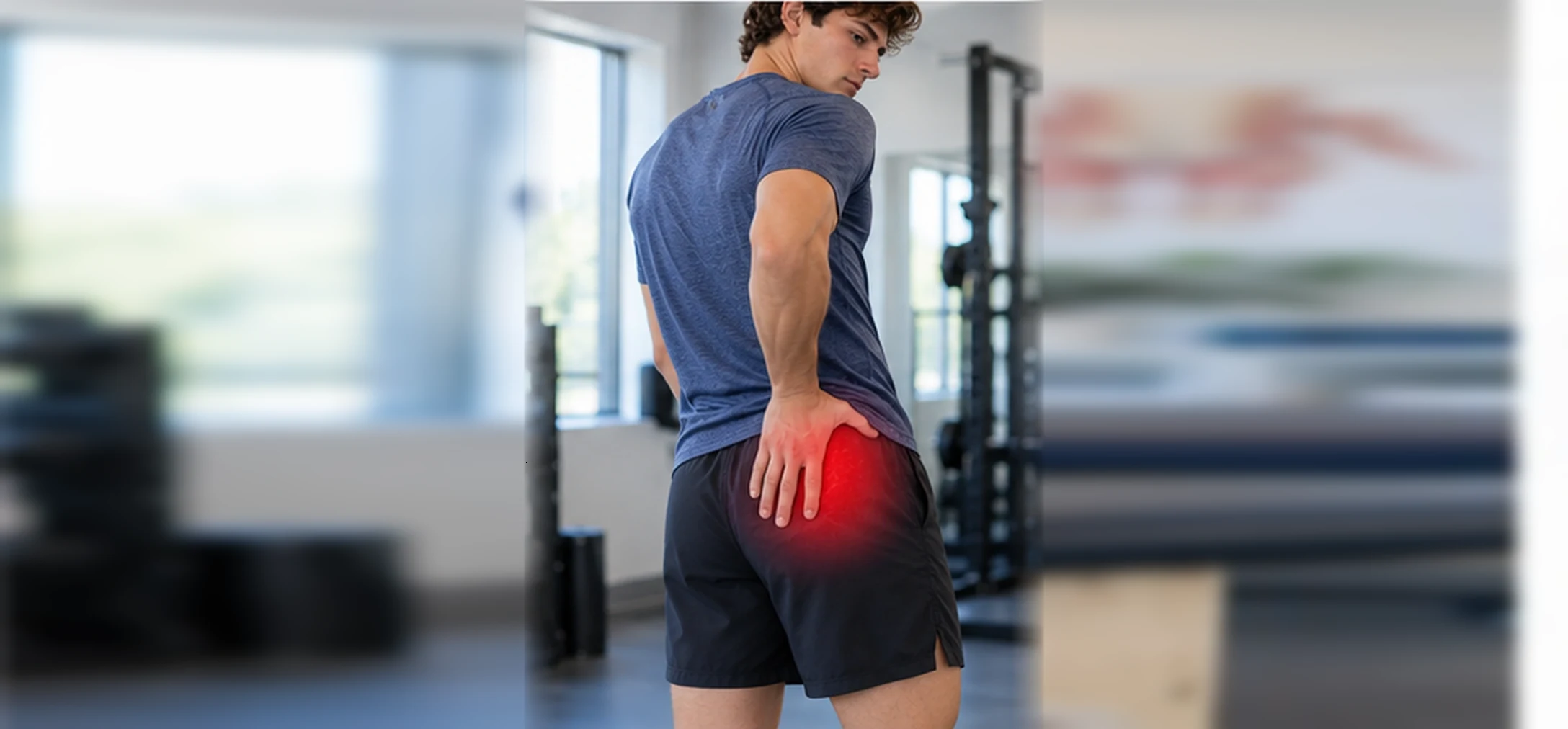
The posterior hip contains the gluteal muscles, deep lateral rotators, and adjacent nerves.
Explore Glutes →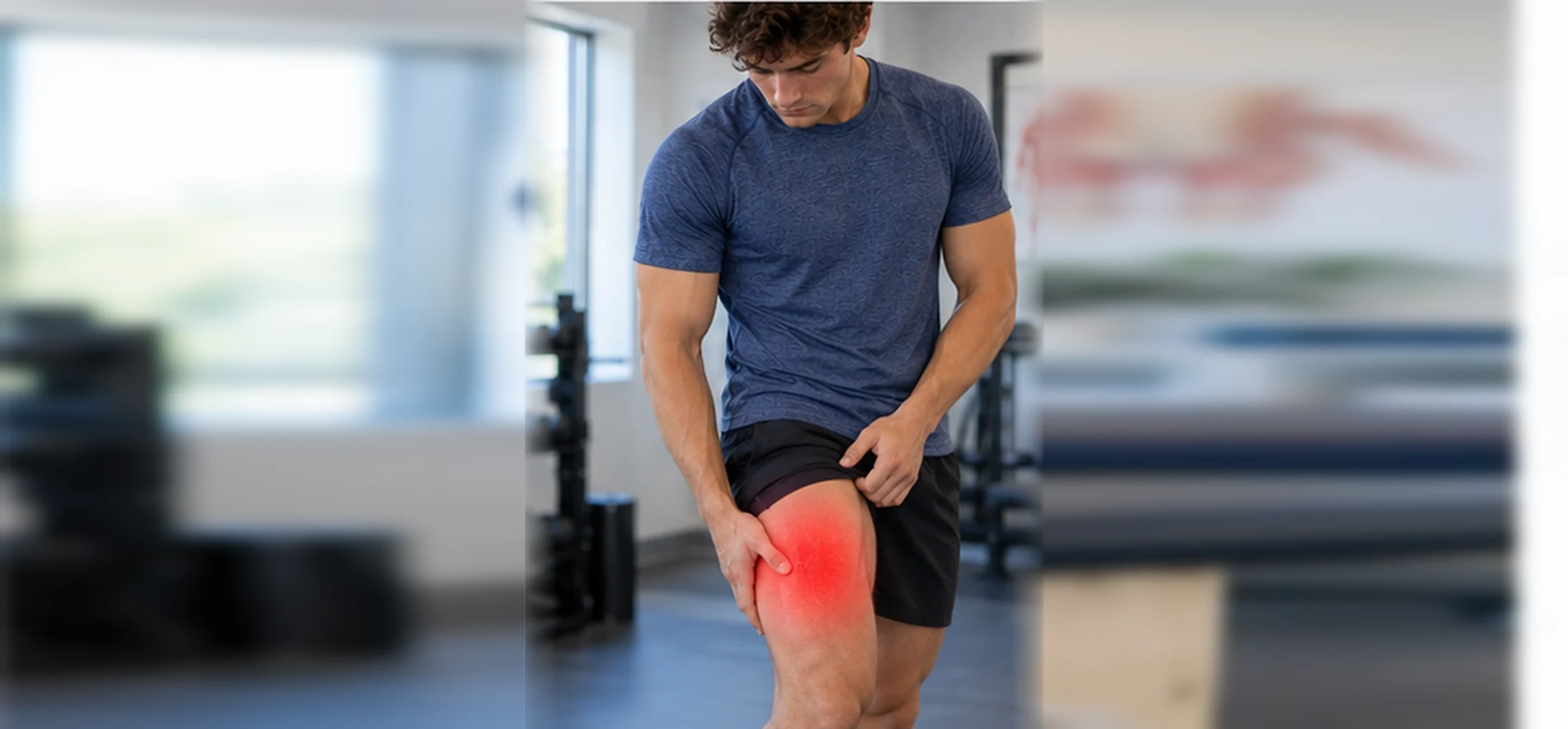
The thigh contains the femur and large muscle compartments involved in hip and knee movement.
Explore Upper Leg / Thigh →